
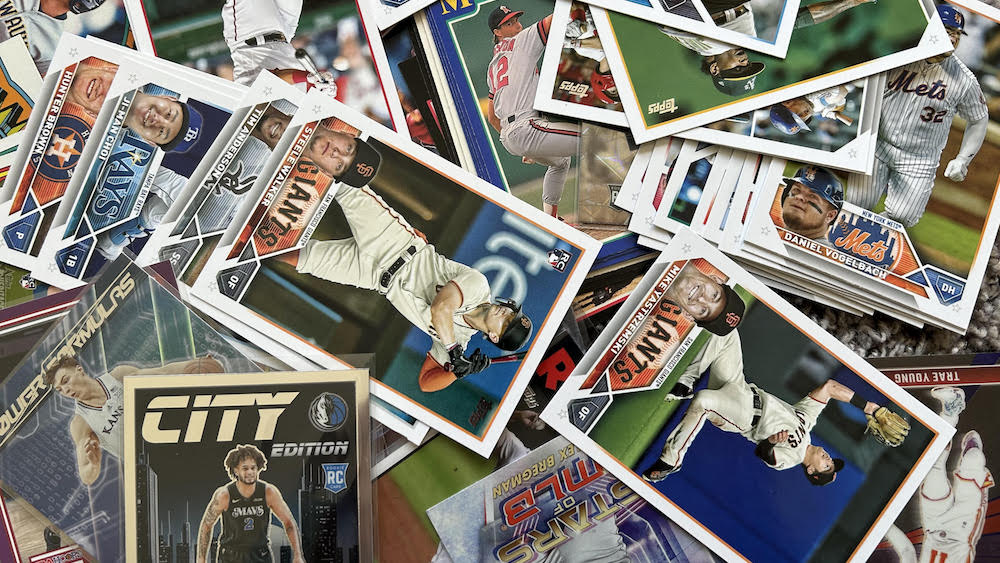
Flipping sports cards can be a fun, profitable side hustle. (Here are some tips for using Whatnot to find cards to flip.) But there are pitfalls that can quickly put you in the red. Here are five sports card flipping mistakes that new flippers should avoid.
1. Not checking comps
Whether it’s in a local card shop or a Whatnot auction, not checking comps is the biggest mistake you can make when you’re trying to flip sports cards for profit. Profit margins for sports cards are tighter than other categories so a few bad buys can eat into profits quickly. Plus, checking comps is important to make sure you’re staying on top of a player’s market, which can shift drastically based on the season, the number of cards available of the player, or even their health. Not checking comps can also mean missing out on great deals.
What to do instead: Keep your phone handy when buying sports cards. Don’t be afraid to check comps on Ebay, Card Ladder or 130 Point before making any sports card purchase. If you’re searching through value boxes and see a unique card, look it up, even if you don’t know the player. It could mean the difference between profiting or not during a card hunting trip.
2. Buying wax
Buying unopened packs and boxes is fun, but a terrible idea if you’re looking to make money flipping sports cards. Can you get lucky pulling an expensive card that you can flip to pay for the pack or box, of course! But over the long term you will lose money.
What to do instead: Buy low, sell high. That’s what we’re trying to do as sports card flippers. So stick to undervalued singles that you can buy for less than they’re selling for. If you have the itch to rip wax, save it for special occasions or strictly limit yourself, otherwise wax purchases will severely limit your profit in the long run.
3. Grading
Can you make money buying cards, grading them and then selling them? Maybe. But I find it too risky and not worth your time. Grading is pricey, time consuming and has a lot of luck involved. The cost to ship and grade your cards add up, and you’re never guaranteed a good grade. It’s an easy way to lose money and eat into your profits.
What to do instead: List the singles you buy to resell raw as quickly as you can. The longer the card is listed, the more time for collectors to come across your listing and buy it. Time is money and if your card is at PSA waiting to be graded you’re not making money. Do you miss out on some potential profit if you would have received a PSA 10? Maybe, but by selling your cards raw you sell them faster and have more money to use to buy more cards.
4. Holding cards
Some people try to make money in sports cards by “investing” in players, hoping their cards go up in value in the future. But it’s always a bad idea if you’re trying to make money selling sports cards. Will you miss out when a player breaks out and you sold their rookie card when it first came out? Yes! But more often than not holding a player to see if they pan out means your money is tied up and you’re not making a profit from the cards you’re buying.
What to do instead: Sell your cards immediately. If you did your due diligence, looked up comps, bought the card for less than it’s selling for there’s no need to wait to see if a player’s cards go up in value. Sell now and take your profits.
5. Not factoring in selling fees
When you buy cards to resell don’t forget about fees. If you buy a card for $10 at a local card show and then sell for $15 on Ebay your profit will only be about $2, not $5 because of the fee and shipping costs. Factor this in when you’re deciding on which cards to buy.
What to do instead: Only buy cards that you can get for significantly under comps. I try to stick to around 50% of comps to give myself a cushion to absorb the fees from Ebay and shipping.